How to Use Technical Indicators Without Getting Overwhelmed
How to Use Technical Indicators Without Getting Overwhelmed
When I first started learning about trading, I felt completely buried under terms like RSI, MACD, Bollinger Bands, and moving averages. Every chart I looked at seemed to have a dozen lines, signals, and patterns. Instead of helping me, the indicators just made me more confused.
Over time, I realized that the secret isn’t to use every indicator—it’s to find a few that match my strategy and stick with them. In this post, I’ll break down how you can use technical indicators effectively without drowning in noise.
By the way, if you want to see how I personally use simple strategies to generate consistent stock income, check out my guide here: Pay Bills With Stocks.
Table of Contents
Why Traders Get Overwhelmed by Indicators
It’s easy to think that more indicators equal better analysis. I made that mistake early on. I’d stack RSI, MACD, Stochastic Oscillator, Fibonacci levels, and moving averages on a single chart—then I couldn’t even see the price anymore.
The truth is, too many indicators often give conflicting signals. One will say “buy” while another says “sell.” That’s when indecision creeps in, and indecision kills trading confidence.
The Core Purpose of Indicators
At their core, indicators are just tools to help you interpret price action. They don’t predict the future; they just give you probabilities and trends. Once I stopped treating indicators like magic signals and started treating them as guides, everything became clearer.
Start with Price Action First
Before relying on indicators, I always look at price, support, resistance, and trend direction. Indicators are there to confirm what the chart is already telling me, not replace my own judgment.
Focus on Just a Few
Instead of trying to use everything, I stick with a handful:
- Moving Averages (MA) → For trend direction.
- Relative Strength Index (RSI) → To spot overbought/oversold conditions.
- MACD → To confirm momentum shifts.
That’s it. Three tools, not twenty.
Don’t Use Indicators That Do the Same Thing
A big mistake I made was stacking similar indicators together. RSI and Stochastic both show momentum, so having both just clutters the chart. If two indicators are giving you the same type of signal, drop one.
Indicators Work Best with Context
Indicators mean little without context. For example, an RSI reading of 70 usually means “overbought.” But in a strong uptrend, the stock can stay above 70 for weeks. Context—like the overall trend—matters more than a single signal.
Create Simple Rules
I created a few simple rules for myself:
- Only take trades when two indicators align with price action.
- Ignore indicators that give mixed signals.
- Keep charts clean and readable.
Having rules removes a lot of the confusion.
Avoid Constantly Switching Indicators
I used to chase new indicators every week. But consistency matters. When you stick with the same tools long enough, you learn their strengths and weaknesses. That’s how you actually gain confidence.
Practice in a Demo Account
If you’re still unsure, try practicing with indicators in a demo account. No pressure, no money at risk. This helped me experiment without making costly mistakes.
The Danger of Over-Optimization
Be careful of over-optimizing strategies with indicators. Just because a backtest shows perfect results doesn’t mean it will work in real markets. The more rules you add, the less flexible your strategy becomes.
My Final Thoughts
The real edge doesn’t come from using a hundred indicators—it comes from mastering a few, keeping your charts clean, and sticking with your plan.
If you want a simple step-by-step strategy that I personally use to grow my portfolio and even cover bills, grab my guide here: Pay Bills With Stocks.
One of the first things I had to accept was that technical indicators are lagging by nature. They react to price, not the other way around. That’s why I stopped treating them as prediction tools and started treating them as confirmation tools.
When I simplified my charts, I noticed something surprising: I could actually make decisions faster. With fewer distractions, I felt less stressed and more confident in my trades. That clarity made me a better trader.
Another lesson I learned is that no single indicator works all the time. Markets change. A moving average might work beautifully in a trending market but give false signals in a choppy one. That’s why I always consider the bigger picture.
I also realized that timeframe matters a lot. An RSI on the 5-minute chart tells a completely different story than the RSI on the daily chart. To avoid confusion, I stick to one or two timeframes depending on whether I’m day trading or swing trading.
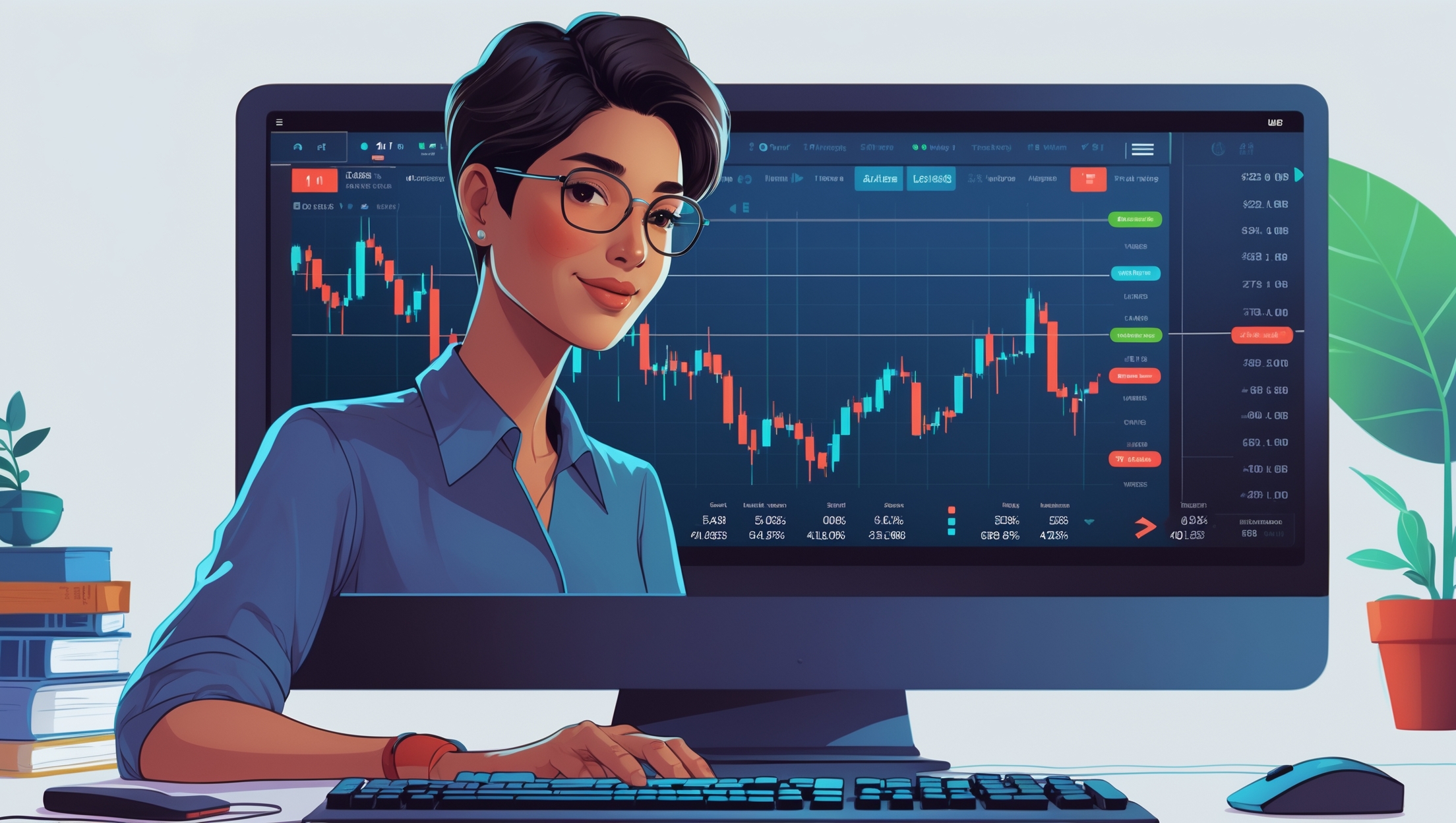
One trick I use is keeping my charts as clean as possible. If I can’t explain my chart setup to someone in less than 30 seconds, it’s too complicated. Simplicity keeps me focused.
Backtesting indicators has also helped me. Before I rely on a setup in real trading, I’ll go back through historical charts and see how well it worked. This gave me more confidence and reduced the fear of making mistakes.
I remind myself constantly: the price itself is the most important indicator. If an indicator says “buy” but price is breaking down, I trust price first. Indicators should support my analysis, not control it.
Patience is another key. Indicators can give signals too early, and if I jump in without waiting for confirmation, I risk entering bad trades. Slowing down and waiting for a candle close often saves me from losses.
I also stopped comparing myself to other traders. Just because someone else uses Fibonacci or Ichimoku doesn’t mean I need to. My trading style and risk tolerance are different, so my tools should be different too.
Over time, I realized that using fewer indicators helped me actually understand market structure better. I started to see patterns, trends, and momentum shifts more clearly because my charts weren’t overloaded.
It’s also important to accept that indicators don’t eliminate risk. They just help you manage it. Risk management—like setting stop-losses and proper position sizing—is always more important than which indicator I’m using.
Sometimes I even trade with no indicators at all, just pure price action. Doing this sharpened my skills and made me less dependent on signals. Now, indicators feel more like helpers than crutches.
I found that building a trading routine made indicators easier to handle. For example, I always check trend direction with moving averages first, then confirm momentum with RSI or MACD. This consistent process keeps me from second-guessing myself.
Discipline is the glue that holds it all together. Even with the best indicators, if I don’t follow my rules, I lose money. Indicators can’t fix a lack of discipline—they just highlight opportunities.
At the end of the day, I keep reminding myself: trading is about probabilities, not certainties. Indicators help stack the odds in my favor, but the outcome will never be guaranteed. That mindset keeps me grounded and prevents me from chasing perfection.

Stay ahead in the stock market! Subscribe to our newsletter and receive exclusive stock flow reports, trading insights, and actionable tips directly in your inbox. Join thousands of traders who get our updates first.