The Psychology of Trading: Mastering Fear and Greed
The Psychology of Trading: Mastering Fear and Greed
When I first started trading, I quickly realized that the biggest challenge wasn’t understanding charts or indicators—it was controlling my emotions. Fear and greed can easily sabotage even the most well-thought-out trading strategy. Learning to master these emotions has been a game-changer for me and my portfolio.
In this post, I’ll share what I’ve learned about the psychology of trading, how fear and greed affect decision-making, and practical strategies I use to stay disciplined and focused.
If you want a step-by-step system to trade with confidence and even cover your bills through investing, check out my guide here: Pay Bills With Stocks.
Table of Contents
Understanding the Role of Fear in Trading
Fear is a natural emotion in trading. It can stop you from entering good trades, or it can make you sell too early. I remember countless times I exited a winning trade too soon simply because I was afraid the market would reverse.
Fear often comes from uncertainty. We worry about losing money, making mistakes, or missing out. The key is to recognize fear as a signal rather than a command—acknowledge it, but don’t let it control your decisions.
I’ve found that having a clear trading plan helps reduce fear. When I know my entry, exit, and risk parameters, fear loses its power because decisions are based on strategy, not emotion.
How Greed Can Sabotage Your Trades
Greed is the other side of the coin. It pushes traders to take unnecessary risks or hold positions too long in the hope of even bigger gains. I’ve learned that chasing profits often leads to losses.
Greed is fueled by success and excitement. A few profitable trades in a row can make you feel invincible, but the market is unforgiving. I remind myself that no trade is guaranteed and that discipline always outweighs emotion.
The Cycle of Fear and Greed
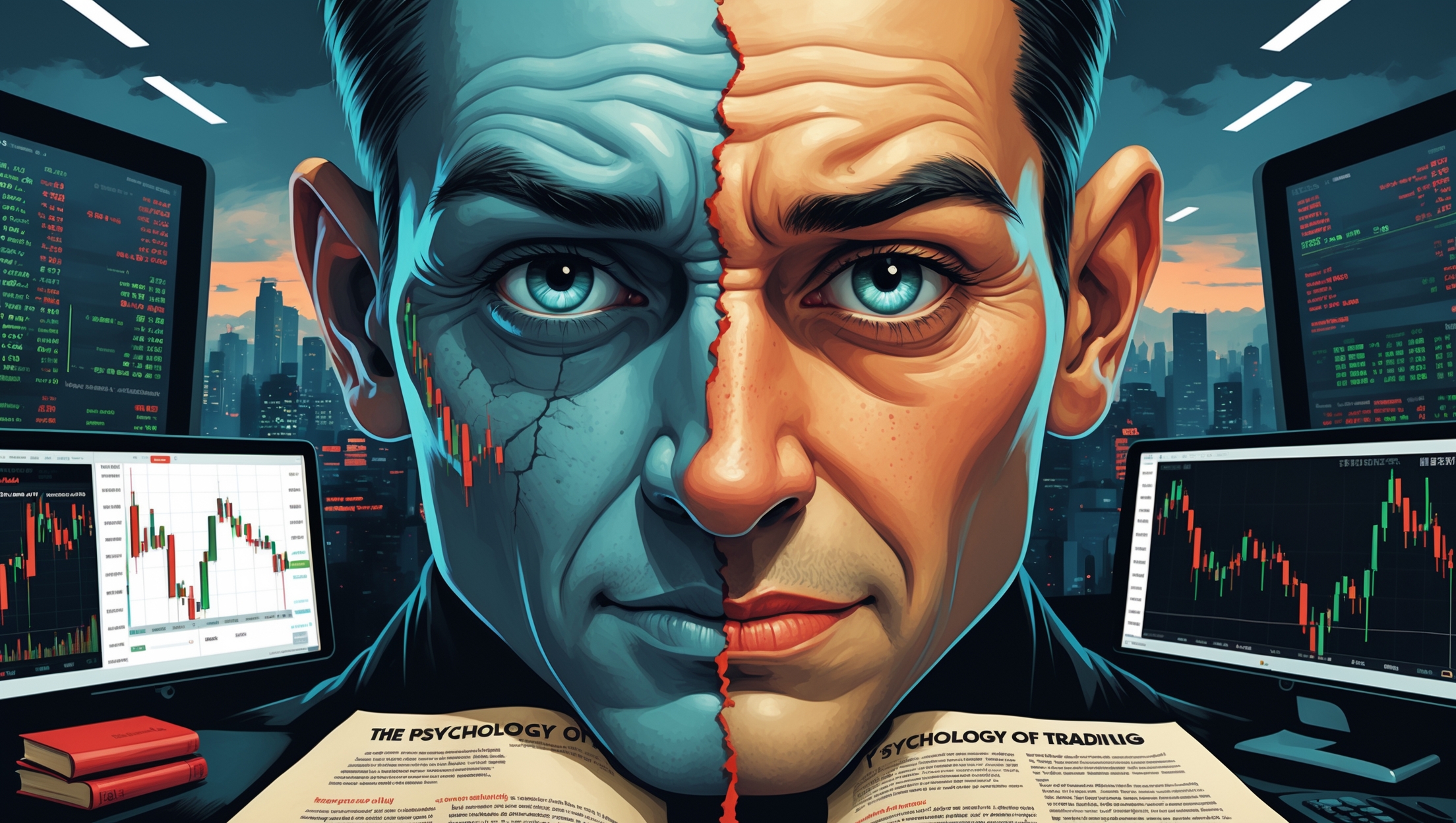
The market is largely driven by these two emotions. Fear creates sell-offs, and greed fuels rallies. Understanding this cycle helps me anticipate market sentiment and avoid being swept away by hype or panic.
I’ve noticed that observing other traders’ reactions can be revealing. Fear is obvious during sudden drops, while greed is visible in frenzied buying. Staying neutral and analytical keeps me focused on opportunities rather than emotions.
Strategies to Master Trading Psychology
Here are some approaches I use to manage fear and greed effectively:
1. Stick to a Trading Plan – Define risk, entry, and exit points before trading. I never deviate without a good reason.
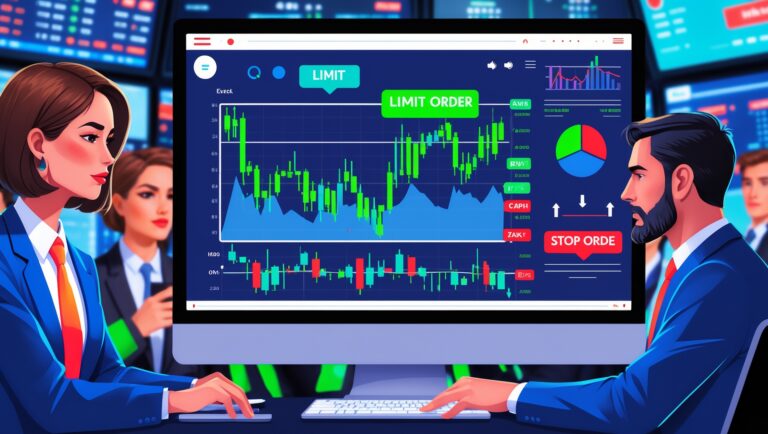
2. Use Stop-Losses and Take-Profits – Protects me from fear-driven decisions and prevents greed from letting profits slip away.
3. Keep a Trading Journal – I document every trade, including my emotions. Reviewing my journal helps me spot patterns and improve discipline.
4. Focus on Probabilities, Not Certainty – No trade is guaranteed. I accept losses as part of the process, which reduces fear.
5. Limit Exposure – I avoid putting too much money into a single trade, so greed doesn’t make me reckless.
Emotional Awareness in Trading
Being aware of my emotions is crucial. I check in with myself before entering trades: Am I acting rationally or reacting emotionally? Awareness allows me to pause and make decisions based on strategy rather than impulse.
Meditation and mindfulness practices have also helped me. Staying calm and present reduces overreactions to market swings and keeps me disciplined.
The Importance of Patience
I’ve learned that patience is one of the most powerful tools in trading. Fear often pushes us to exit early, while greed tempts us to hold too long. Patience ensures that I wait for optimal setups and follow my plan without overreacting.
Learning from Mistakes
Even with discipline, I’ve made emotional mistakes. The key is reflecting on them, adjusting strategies, and not repeating the same errors. Mistakes teach me more about my psychology than my trading platform ever could.
My Personal Approach
I combine technical analysis, fundamental research, and emotional control in my trades. Mastering fear and greed allows me to execute trades consistently and confidently. It’s not about eliminating emotions but managing them effectively.
Final Thoughts
The psychology of trading is as important—if not more important—than understanding charts, indicators, or market news. Fear and greed are natural, but with self-awareness, planning, and discipline, they can be managed.
Mastering these emotions has transformed my trading results, and I’ve found that the calmer and more disciplined I am, the better my portfolio performs.
If you want a system to trade with confidence, manage emotions, and even cover bills through investing, check out my guide here: Pay Bills With Stocks.
I’ve noticed that fear often manifests as hesitation. Sometimes I pass on a good trade simply because I’m afraid of losing money, even when my analysis shows a high-probability setup.
Greed, on the other hand, shows up as overconfidence. After a few wins, I’ve seen myself taking trades I normally wouldn’t, thinking the market owes me more gains.
Understanding my own emotional triggers has been essential. I’ve kept a diary of trades, noting when fear or greed influenced my decisions, which has helped me become more self-aware.
Emotional swings can also impact decision-making outside of trading. Stress, lack of sleep, and personal issues often amplify fear and greed, so I’ve learned to approach trading with a clear mind.
I use risk management techniques to counteract these emotions. By setting strict stop-loss and take-profit levels, I reduce the chance of impulsive decisions caused by fear or greed.
Visualization techniques have helped me prepare mentally for trades. I imagine potential losses and gains, which reduces emotional reactions when real trades occur.
I’ve found that having a routine also stabilizes my mindset. Checking charts, news, and my portfolio at consistent times reduces emotional volatility.
Breaking down trades into smaller, manageable portions has helped me control greed. By taking partial positions and scaling in or out, I avoid overcommitting to a single idea.
I’ve learned to embrace losses as part of the game. Fear often comes from the idea of losing, but accepting that losses happen allows me to trade without panic.
Greed is harder to control because it feels good. To manage it, I focus on consistent returns rather than chasing massive profits in a single trade.
Peer comparison can fuel greed, too. Seeing others make big gains can tempt me to take risks I wouldn’t normally consider. I’ve learned to focus on my own plan and ignore external noise.
I also track my emotional performance alongside financial performance. Understanding how my mindset affects results helps me improve both my trading and my self-discipline.
Mindfulness exercises, like breathing techniques and meditation, have reduced impulsive decisions during high-volatility periods, helping me act rationally instead of emotionally.
I remind myself daily that trading is a long-term journey. Fear and greed are temporary, but consistent strategies and discipline compound into lasting results.
Finally, teaching others about trading psychology reinforces my own habits. Explaining how to manage fear and greed helps me stay accountable and disciplined in my own trading.

Stay ahead in the stock market! Subscribe to our newsletter and receive exclusive stock flow reports, trading insights, and actionable tips directly in your inbox. Join thousands of traders who get our updates first.