Swing Trading vs. Day Trading: Key Differences Explained
Swing Trading vs. Day Trading: Key Differences Explained
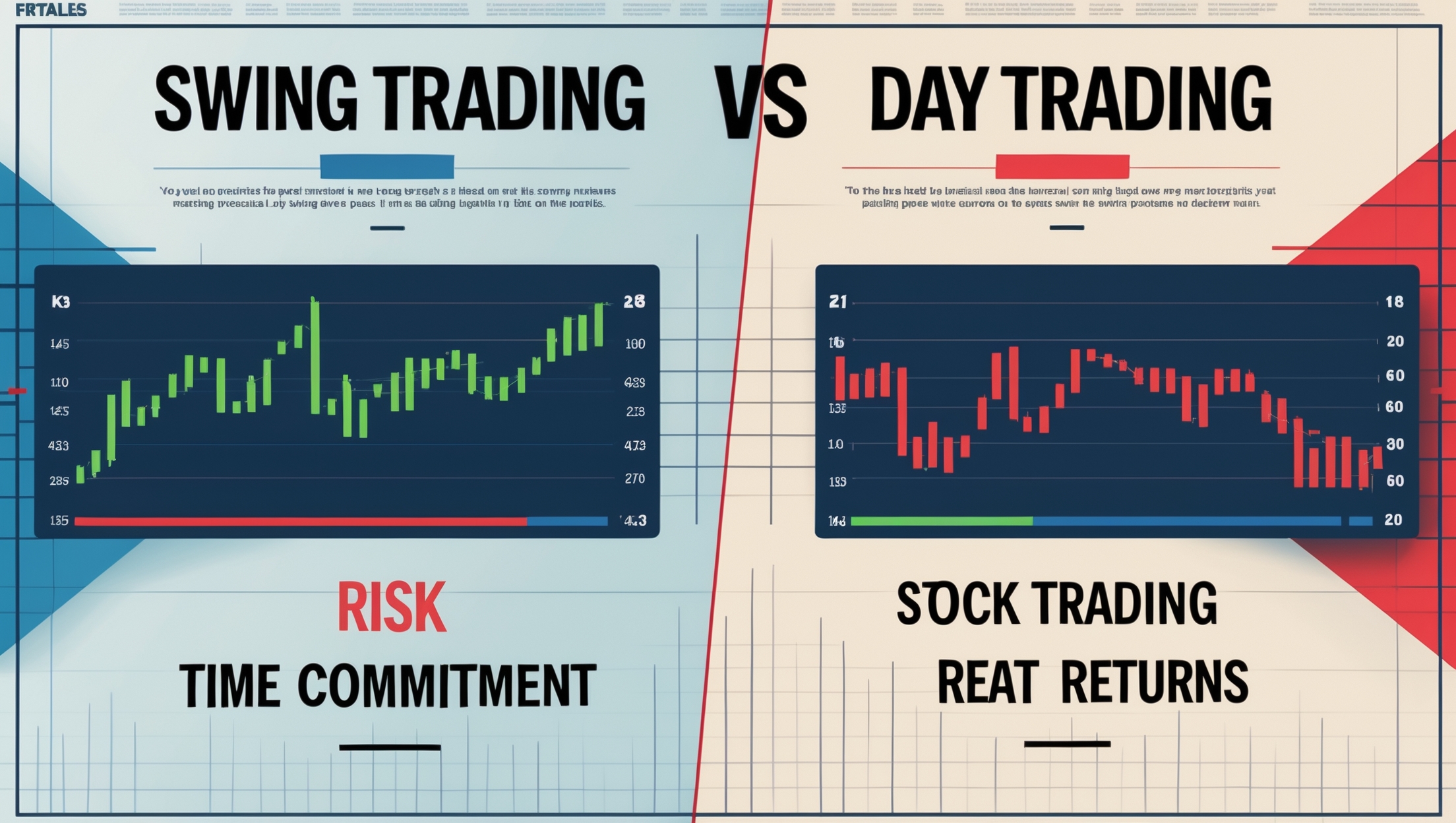
Swing trading and day trading are two of the most popular trading strategies in the stock market. While both aim to generate profits from short-term price movements, they differ in timeframes, risk, stress levels, and overall lifestyle.
In this guide, I’ll explain the key differences between swing trading and day trading, share my personal experience with both, and help you decide which strategy might fit your goals. Get My Ebook Here
Table of Contents
My Experience with Swing Trading and Day Trading
When I first started trading, I honestly didn’t know the difference. I thought trading was just buying and selling stocks quickly. But once I actually tried day trading, I realized how intense it can be — sitting in front of the screen for hours, watching every tick.
On the other hand, when I moved into swing trading, I discovered a more flexible style. Instead of holding trades for minutes or hours, I could hold positions for days or weeks. That allowed me to live my life without being glued to the computer.
I’ve experienced both, and each has its advantages and disadvantages. Let me break it down so you can see which might be a better fit for you.
What Is Day Trading?
Day trading is when you buy and sell stocks (or other assets) within the same trading day. You never hold positions overnight.
Here’s what day trading looks like for me when I’ve done it:
- Watching charts from market open to close.
- Entering multiple trades a day.
- Closing everything before the market shuts.
Pros of Day Trading:
- Quick profits (if you’re right).
- No overnight risk.
- Tons of trading opportunities daily.
Cons of Day Trading:
- Stressful and time-consuming.
- Requires advanced strategies and discipline.
- Fees and commissions add up.
For me, day trading felt like a full-time job. It can work, but it demands absolute focus.
What Is Swing Trading?
Swing trading is when you hold trades for several days to weeks. You’re not stuck watching the screen all day. Instead, you analyze the market, enter trades, and let them develop over time.
Here’s how swing trading looks for me:
- Checking charts once or twice a day.
- Holding trades through overnight moves.
- Focusing on larger trends instead of micro fluctuations.
Pros of Swing Trading:
- Less stressful than day trading.
- Fits better with a regular lifestyle.
- Captures bigger price moves.
Cons of Swing Trading:
- Exposure to overnight risks.
- Requires patience.
- Fewer trades than day trading.
Personally, swing trading allows me to trade while still living my life. I don’t feel chained to the computer.
Key Differences Between Swing Trading and Day Trading
Here’s a breakdown of the major differences:
- Timeframe
- Day trading: Minutes to hours.
- Swing trading: Days to weeks.
- Lifestyle
- Day trading: Full-time commitment.
- Swing trading: Part-time friendly.
- Stress Levels
- Day trading: High stress.
- Swing trading: Lower stress.
- Profit Potential
- Day trading: Smaller, faster gains.
- Swing trading: Larger moves over time.
- Risk
- Day trading: Intraday volatility.
- Swing trading: Overnight gaps.
- Tools Needed
- Day trading: Direct access brokers, fast execution, real-time data.
- Swing trading: Charting platforms, trend analysis.
Why I Prefer Swing Trading
I’ll be honest — I burned out with day trading. Sitting at the screen for hours drained me. With swing trading, I can analyze the market at night, set alerts, and let trades run.
It doesn’t mean swing trading is easy. You still need discipline, risk management, and a strategy. But for me, it’s the perfect balance between freedom and profitability.
Who Should Consider Day Trading?
Day trading might be a good fit if you:
- Love being active in the market.
- Can handle stress and quick decisions.
- Have time to dedicate full days to trading.
- Want to close positions daily.
It’s intense, but some thrive in that environment.
Who Should Consider Swing Trading?
Swing trading might be a good fit if you:
- Want more flexibility in your schedule.
- Prefer analyzing trends instead of ticks.
- Can handle holding positions overnight.
- Want to capture bigger market moves.
That’s why I stick with swing trading. It fits my lifestyle better while still growing my portfolio.
Risk Management in Swing vs. Day Trading
No matter which strategy you choose, risk management is everything.
In day trading, I used tight stop-losses because moves happen quickly. In swing trading, my stops are wider since trades play out over days.
For both, I never risk more than 1–2% of my portfolio per trade. That rule keeps me safe.
Tools I Use for Both
Whether I’m swing trading or day trading, I rely on solid tools:
- TradingView for charting.
- Brokers with low fees for execution.
- News feeds to track catalysts.
But the main difference is time commitment. Day trading ties me to the screen, swing trading doesn’t.
How Swing Trading Changed My Approach
When I switched from day trading to swing trading, I noticed a huge difference in my mindset. I no longer felt desperate to make money every single day. Instead, I focused on quality setups and let time work in my favor.
That shift made me more consistent. And honestly, more relaxed.
Combining Swing Trading and Day Trading
Some traders actually do both. They swing trade with part of their portfolio and day trade when opportunities pop up.
I’ve tried it, but I found it distracting. For me, sticking to swing trading keeps me focused.
Which Strategy Makes More Money?
This is the big question. Here’s the truth: both can make money — but it depends on the trader.
- Day trading can deliver fast gains, but most beginners lose because it’s so tough.
- Swing trading can build steady profits, but it requires patience and discipline.
Personally, I’ve found swing trading more profitable long-term because I avoid burnout and bad decisions.
Want to See My Strategy in Action?
When I share about trading, people often ask, “How do you actually set up your trades? How do you decide entries and exits?” That’s why I created my ebook on stock trading and portfolio management.
You can get it here: Get My Ebook Here
Inside, I explain my swing trading setups, how I manage risk, and the exact process I use daily.
Final Thoughts: Swing Trading vs. Day Trading
At the end of the day, neither strategy is “better.” It comes down to your personality, time, and goals.
- If you want action and can handle pressure → Day Trading might be for you.
- If you want balance and bigger moves → Swing Trading might be better.
For me, swing trading wins because it gives me freedom, steady profits, and less stress. But you might thrive in day trading if you love the intensity.
Whatever you choose, remember: risk management, discipline, and consistency matter more than the strategy itself.
And if you want to learn the exact methods I use to trade smarter, check out my ebook here:
Get My Ebook Here

Stay ahead in the stock market! Subscribe to our newsletter and receive exclusive stock flow reports, trading insights, and actionable tips directly in your inbox. Join thousands of traders who get our updates first.