The Power of Compounding in Long-Term Investing
The Power of Compounding in Long-Term Investing
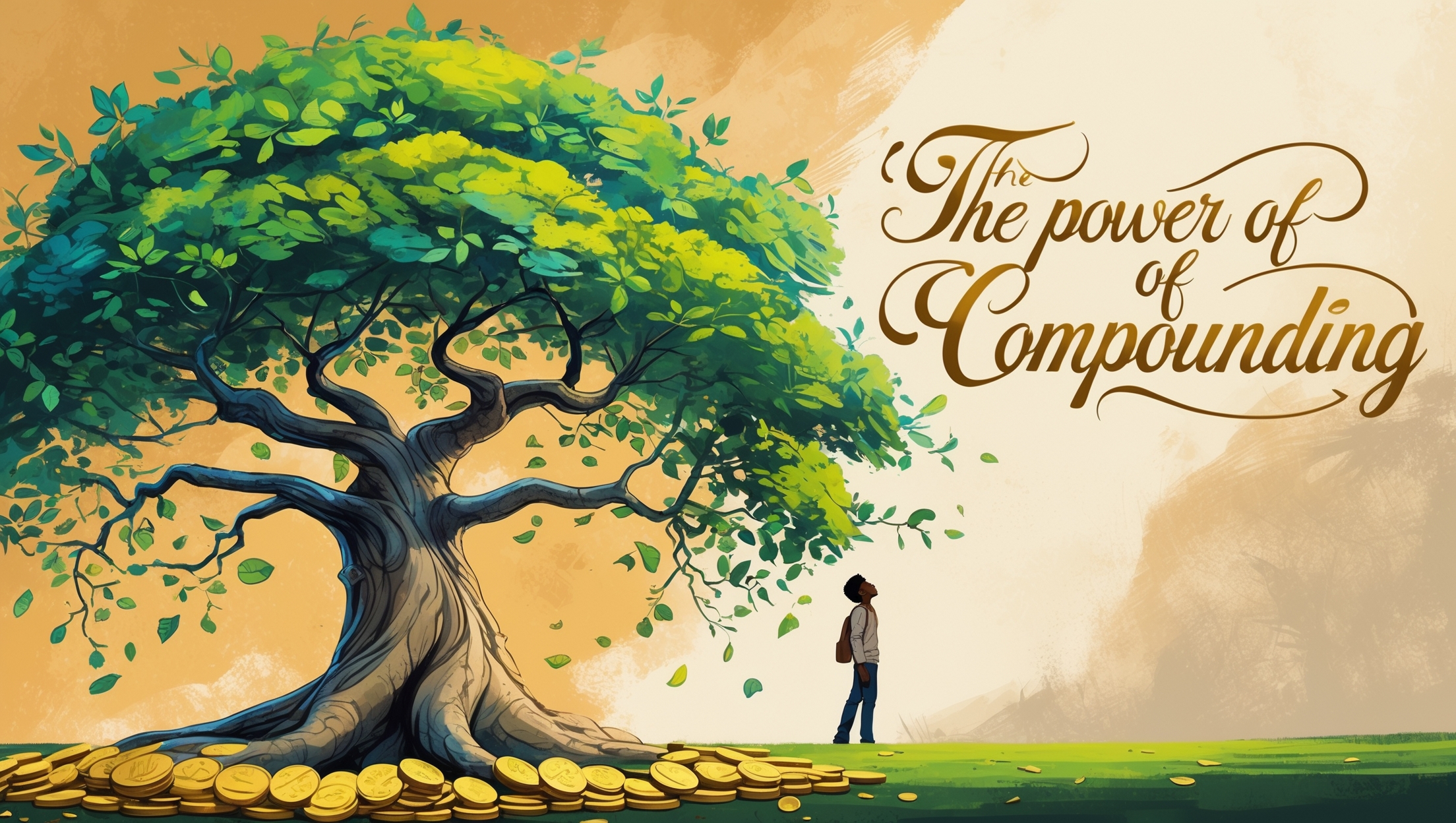
The power of compounding is one of the most important principles in long-term investing. By reinvesting profits and allowing returns to build on themselves over time, even small investments can grow into significant wealth. In this guide, I’ll explain how compounding works, how I personally use it in my own portfolio, and why starting early makes all the difference.
Table of Contents
How I First Learned About Compounding
When I started investing, I used to focus only on quick profits. I wanted results now. But over time, I realized the real wealth in the market doesn’t come from chasing every move — it comes from letting compounding do the heavy lifting.
Once I saw how my portfolio grew year after year, not just from my own contributions but from returns stacking on top of returns, I finally understood why people call compounding the eighth wonder of the world.
What Is Compounding in Investing?
Simply put, compounding is earning returns on both your original investment and the returns you’ve already made.
Here’s the formula I keep in mind:
- Initial Investment + Returns → Reinvested → More Returns → Cycle Repeats
Over time, this snowball effect turns even modest contributions into substantial wealth.
A Simple Example of Compounding
Let’s say I invest $1,000 at a 10% annual return.
- After 1 year: $1,100
- After 5 years: $1,610
- After 10 years: $2,593
- After 20 years: $6,727
- After 30 years: $17,449
Notice something? The growth isn’t linear — it’s exponential. That’s the power of compounding at work.
Why Compounding Works Best with Time
The most important factor in compounding isn’t the return rate — it’s time.
The longer I leave my money invested, the more compounding accelerates. In the early years, growth looks slow. But in later years, it explodes.
That’s why starting early is critical. Even small amounts invested young can beat larger amounts invested late.
The Role of Reinvestment
Compounding only works if I reinvest my gains. If I take profits out every year, I break the cycle.
That’s why I automatically reinvest dividends and capital gains. Instead of spending them, I let them buy more shares. Those shares then generate more dividends, and the cycle keeps building.
Compounding in Stocks
Stocks are one of my favorite vehicles for compounding because:
- Dividends can be reinvested.
- Capital gains can compound over decades.
- Growth companies reinvest profits back into expansion.
If I hold quality stocks long term, compounding works quietly in the background while I live my life.
Compounding in ETFs and Index Funds
ETFs and index funds are another great way to benefit. By holding a diversified basket of companies, I reduce risk while letting compounding work.
I’ve personally used index funds like the S&P 500 to watch small contributions snowball into a strong foundation for my portfolio.
Compounding vs. Simple Interest
The key difference:
- Simple interest only earns returns on the original investment.
- Compound interest earns returns on both the original investment and past returns.
That’s why compounding is so powerful — it creates growth on growth.
How I Use Compounding to Pay Bills with Stocks
One thing I’ve done over time is build positions that compound until they generate enough passive income to cover my monthly expenses.
Instead of withdrawing too early, I let the snowball grow. Then, when dividends and growth reach a certain point, I can use them strategically.
This method has helped me create financial breathing room without needing constant new income sources.
That’s exactly what I explain step by step in my ebook: Download My Ebook
The Psychological Side of Compounding
Here’s something I didn’t expect: compounding also changes how I think about money.
Instead of chasing fast gains, I’ve learned to appreciate patience. Every time I reinvest, I remind myself that small steps today create massive results later.
This shift gave me peace of mind and kept me from overtrading.
How to Maximize the Power of Compounding
Here’s what I personally do to make compounding work:
- Start Early – The sooner, the better.
- Be Consistent – Regular contributions matter more than size.
- Reinvest Earnings – Don’t cash out too soon.
- Stay Invested Long Term – Let time work for you.
- Avoid Unnecessary Fees – High fees eat into compounding.
By following these, I let compounding do the heavy lifting instead of stressing over every trade.
Mistakes That Kill Compounding
I’ve made some of these mistakes before — and learned the hard way:
- Pulling money out too soon.
- Chasing hype instead of quality investments.
- Paying high fees.
- Trying to time the market.
Compounding only works if I let it run long term. Interrupting the cycle weakens its power.
Compounding and Retirement Investing
One of the biggest areas where compounding shines is retirement accounts.
By consistently investing in tax-advantaged accounts and reinvesting gains, I set myself up for decades of growth. Even small contributions today could cover massive expenses later.
That’s why I never underestimate the importance of starting early — even with $100 a month.
Why Compounding Is My Favorite Strategy
At this point, I’ve seen the difference between chasing trades and letting compounding build wealth. The stress of constant trading can’t compare to the peace of knowing my investments are growing quietly in the background.
Compounding rewards patience. And for me, patience pays the most.
Want to See My Compounding Strategy in Action?
I share my exact approach to using compounding with stocks, dividends, and reinvestments to cover bills and grow wealth in my ebook.
You can grab it here: Download My Ebook
Inside, I show how I structure my investments, reinvest profits, and use compounding to create financial stability.
Final Thoughts: The Power of Compounding in Long-Term Investing
For me, compounding is the true engine of wealth. It doesn’t matter if I start small — time turns small investments into big results.
The key is simple:
- Start early.
- Stay consistent.
- Reinvest profits.
- Let time do its work.
If you do this, compounding can change your financial future.
And if you want to see how I personally use compounding to grow my portfolio and even cover monthly bills, check out my ebook here:
Get My Ebook Here

Stay ahead in the stock market! Subscribe to our newsletter and receive exclusive stock flow reports, trading insights, and actionable tips directly in your inbox. Join thousands of traders who get our updates first.