Why Stock Trading Is Not Gambling (and How to Do It Right)
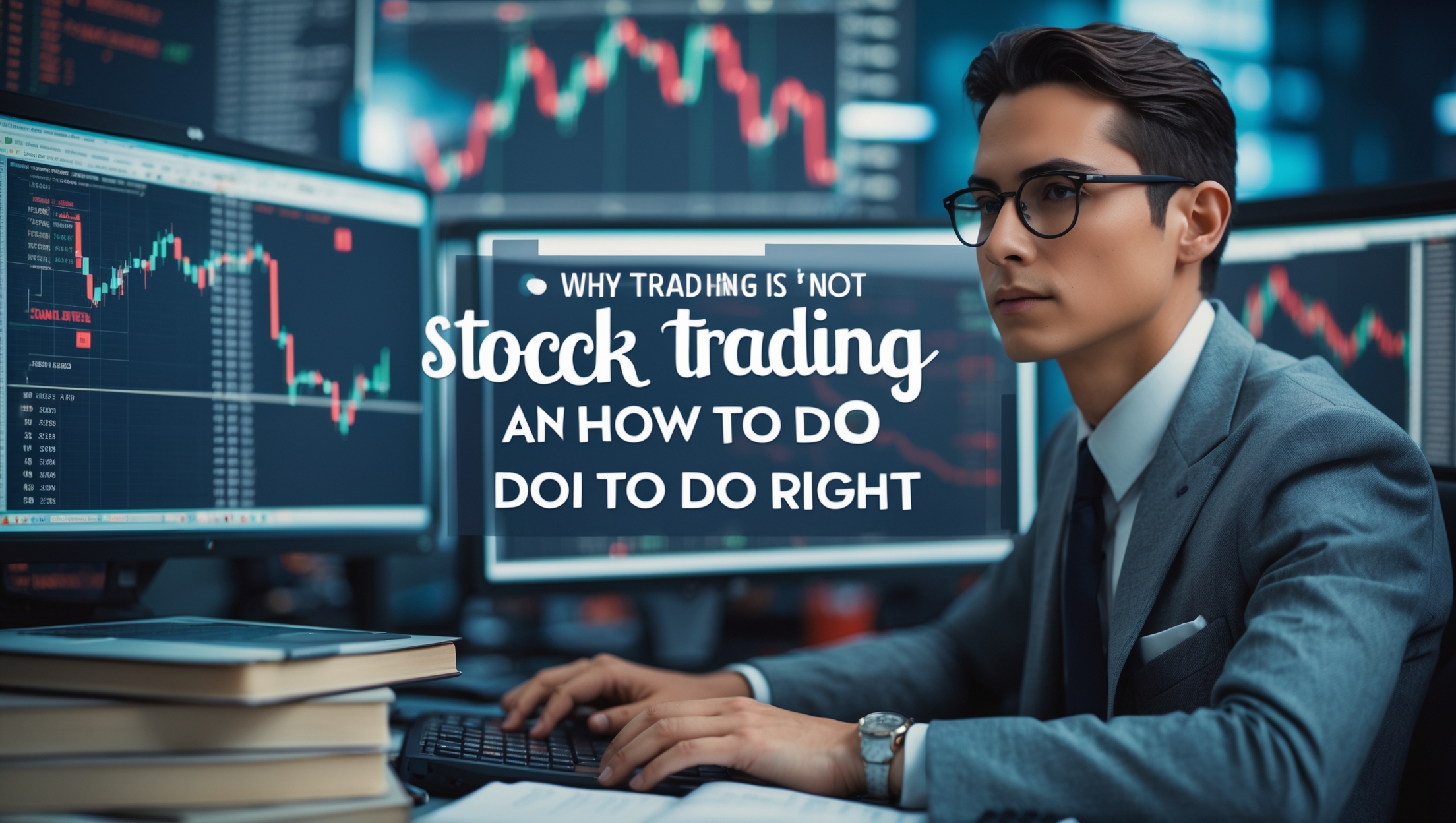
Why Stock Trading Is Not Gambling (and How to Do It Right)
When I first started trading stocks, I remember my family saying things like, “That’s just gambling with your money.” Honestly, I couldn’t blame them — from the outside, stock trading looks a lot like betting. You put money in, you hope it goes up, and sometimes you win or lose.
But here’s the truth: stock trading is not gambling when it’s done the right way. In fact, trading (and investing) is one of the most powerful ways to build wealth — as long as you approach it with education, discipline, and a plan.
In this post, I’m going to break down why trading is different from gambling, how beginners can avoid treating it like a casino, and how to set yourself up for consistent profits instead of risky bets.
And if you want to learn exactly how I pay my bills trading stocks, I break it all down in my ebook 👉 StockFlowReport.com/ebook.
Table of Contents
Gambling vs. Stock Trading: The Key Differences
At its core, gambling is based on chance, while trading is based on analysis, skill, and risk management.
- 🎰 Gambling: You have no control. Odds are stacked against you, and the longer you play, the more you lose.
- 📈 Stock Trading: You can control your entries, exits, and risk. You can study patterns, analyze charts, and manage your capital.
When I trade, I’m not “betting” on luck. I’m making calculated decisions based on research, tools, and strategies. That’s the difference.
Why Beginners Often Feel Like They’re Gambling
I’ll be honest: when I first opened my Robinhood account, I treated it like a slot machine 🎰. I would throw money into random “hot” stocks I saw online and hope they went up. Sometimes I got lucky, but most of the time I lost.
The truth is, without a plan, trading feels exactly like gambling. That’s why so many beginners get discouraged and quit.
If you want to avoid this trap, you need to:
- Have a strategy (not just random buys).
- Use risk management.
- Study charts with a tool like TradingView.
- Focus on consistency, not luck.
The Power of Education in Trading
What changed everything for me was education. Once I learned how to read candlestick charts, use moving averages, and spot trends, trading stopped feeling like a gamble and started feeling like a skill.
I spent hours on TradingView, practicing and learning patterns. This platform completely changed my perspective. Instead of guessing, I had a roadmap.
If you’re a beginner, I highly recommend setting up a free account here 👉 TradingView Affiliate Link.
Risk Management: The Opposite of Gambling
Here’s the biggest reason stock trading is not gambling: you control your risk.
In gambling, if you bet $100 and lose, it’s gone. But in trading, you can limit your loss to $10 or $20 using stop-loss orders.
When I trade on Webull (Join Webull here), I always set my stop-losses. That way, even if the trade goes against me, I protect my capital.
This is one of the most powerful tools traders have that gamblers never do.
Building a Trading Plan
When I started treating trading like a business instead of a casino, everything changed. I created a trading plan, which included:
- My daily routine for checking charts.
- The specific setups I trade (like breakouts or pullbacks).
- My risk per trade (no more than 2% of my account).
- My profit targets.
With a plan, I wasn’t guessing anymore. I was executing.
Why Patience Beats Luck Every Time
One of the biggest lessons I learned is that slow and steady wins in trading. Gambling is all about quick wins and instant gratification. Trading is about patience and letting profits grow over time.
Sometimes my trades take days or even weeks to play out. And that’s okay. I’d rather wait for the right setup than chase risky moves.
The Role of Emotions
Here’s another difference between gambling and trading: emotions.
Gambling thrives on adrenaline — the thrill of the spin or the roll. Trading, on the other hand, punishes emotional decisions.
If I let fear or greed control me, I lose. But if I stay disciplined, stick to my charts, and follow my plan, I win consistently.
That’s why I journal my trades and track my emotions. This simple habit helps me stay in control.
Tools That Turn Trading Into a Skill
The right tools make trading a skill instead of a gamble. These are my go-to resources:
- 👉 TradingView for chart analysis.
- 👉 Robinhood for beginner-friendly trades.
- 👉 Webull for more advanced trading tools.
- 👉 My Free Stock Growth Calculator: StockFlowReport.com/compound-interest-calculator.
With these, you have everything you need to trade smart, not gamble blindly.
Why I Trade (and Don’t Gamble)
The reason I stick with trading is because it’s not about chance. It’s about building consistent income.
I even wrote my ebook on this exact topic — how I pay my bills trading stocks. If you want the blueprint, grab it here 👉 Pay Bills With Stocks eBook.
This is the roadmap I wish I had when I started.
Final Thoughts
If you take one thing away from this post, let it be this: stock trading is not gambling when you do it right.
The difference is in your approach:
- Gambling = chance, no control, fast losses.
- Trading = skill, risk management, consistent growth.
So start small, use the right tools, and build your confidence step by step.
👉 Open your account today with Robinhood or Webull,
👉 Set up your charts with TradingView,
👉 And grab my ebook for the full game plan 👉 StockFlowReport.com/ebook.
Remember, this isn’t about luck — it’s about creating a skill that pays you for life.

Stay ahead in the stock market! Subscribe to our newsletter and receive exclusive stock flow reports, trading insights, and actionable tips directly in your inbox. Join thousands of traders who get our updates first.