Simple Stock Market Terms Every Beginner Needs to Know
Simple Stock Market Terms Every Beginner Needs to Know
New to the stock market? Don’t get overwhelmed by confusing terms like “bull market,” “dividends,” or “technical analysis.” In this beginner-friendly guide, I break down simple stock market terms you need to know so you can trade, invest, and grow your money with confidence.
Table of Contents
My First Confusing Day in the Stock Market
When I first stepped into the world of stock trading, I felt like I had entered a classroom where everyone spoke a different language. Words like liquidity, candlesticks, and margin were being thrown around, and honestly—I had no idea what they meant. If you’ve ever felt the same way, don’t worry.
I started small, with just $100 in my account. Over time, I realized that once you learn the most common stock market terms, trading becomes much less intimidating. That’s why I created this beginner’s guide—to simplify the language of the stock market so you can focus on making smarter decisions instead of scratching your head.
And if you’d like to dive deeper into how I personally pay my bills every month using stocks, I explain my system step by step in my ebook 👉 Pay Bills With Stocks.
Why Knowing Stock Market Terms Matters
You don’t need a finance degree to trade stocks. But you do need to understand the basics. Imagine trying to play a new sport without knowing the rules—it wouldn’t make sense. That’s exactly how stock trading feels if you don’t know the vocabulary.
Here’s the good news: Once you learn these terms, you’ll not only understand financial news better, but you’ll also be able to use tools like TradingView with confidence to analyze charts, and apps like Robinhood or Webull to buy and sell stocks.
Key Stock Market Terms Every Beginner Must Know
Let’s break down the most important ones in simple, everyday language.
1. Stock
A stock represents a share of ownership in a company. When you buy a stock, you become a part-owner of that company. If the company grows, your stock usually grows too.
2. Ticker Symbol
Every stock has a unique abbreviation, called a ticker symbol. For example, Apple is AAPL, Tesla is TSLA, and Amazon is AMZN.
3. Exchange
This is where stocks are bought and sold. Examples include the NYSE (New York Stock Exchange) and NASDAQ. Think of it as the “marketplace” for stocks.
4. Bull Market & Bear Market
- Bull Market 🐂: Prices are going up, investors feel confident.
- Bear Market 🐻: Prices are falling, investors feel nervous.
5. Bid & Ask
- Bid: The price a buyer is willing to pay.
- Ask: The price a seller wants to sell for.
The difference between them is called the spread.
6. Dividend
Some companies share their profits with investors by paying a dividend. This can be monthly, quarterly, or yearly.
7. Market Order vs. Limit Order
- Market Order: You buy/sell immediately at the current price.
- Limit Order: You set a price you want, and the trade only happens if the stock reaches it.
8. Liquidity
Liquidity means how easily you can buy or sell a stock without affecting its price. Highly traded stocks like Apple are very liquid.
9. Volatility
Volatility measures how much a stock’s price goes up and down. Day traders love volatile stocks; long-term investors usually avoid them.
10. Portfolio
Your collection of stocks and investments is called your portfolio. Over time, you’ll want to diversify your portfolio to reduce risk.
11. Technical Analysis
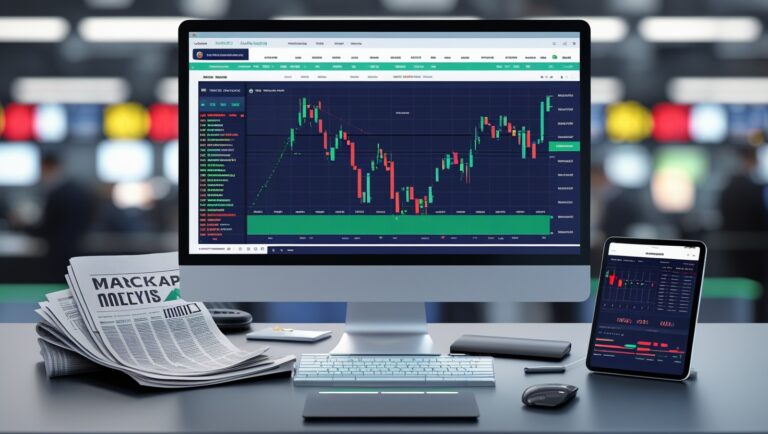
This means analyzing charts and price patterns to predict where a stock might go. My favorite tool for this is TradingView, where I study candlesticks, trends, and indicators.
12. Fundamental Analysis
This looks at the company itself—earnings, revenue, debt, and industry performance—to decide if the stock is a good long-term buy.
13. Candlestick Chart
Instead of just lines, candlestick charts show the opening, closing, high, and low price of a stock. At first, they looked confusing to me, but once I learned them, it changed how I trade forever.
14. Support & Resistance
- Support: A price level where the stock usually stops falling.
- Resistance: A price level where the stock usually stops rising.
I use these daily in my trading routine.
15. Margin
Buying stocks with borrowed money. Beginners should avoid this because it’s risky—you can lose more than you invest.
My Personal Journey With These Terms
When I started, I felt overwhelmed by all this jargon. I remember one time I bought a stock because someone online said it was a “breakout.” I didn’t even know what that meant. Long story short: I lost money.
After that, I committed to learning the basics. I kept a small notebook and wrote down terms every time I came across a new one. Over time, this notebook became my personal dictionary of trading. That’s when things started to click, and I went from guessing to trading with confidence.
Tools That Made Learning Easier
Here’s what I use every day to simplify my trading life:
| Tool | Why I Use It | Link |
|---|---|---|
| TradingView | To analyze candlestick charts, trends, and patterns easily | Try TradingView |
| Robinhood | To buy and sell stocks with a clean, beginner-friendly app | Get Robinhood |
| Webull | Great for free charts, extended trading hours, and paper trading | Get Webull |
| My Ebook | To learn how I pay my bills using trading income | Download Here |
Final Thoughts
The stock market may sound complicated at first, but once you know these basic terms, everything starts making sense. Don’t try to memorize everything in one day—just focus on a few terms at a time and use them in real-life trading.
I started with confusion, but now I confidently pay my bills every month through trading, and I’m constantly growing my account. If I can do it, so can you.
👉 Start learning today, practice with tools like TradingView, and use beginner-friendly apps like Robinhood or Webull. Your future self will thank you.

Stay ahead in the stock market! Subscribe to our newsletter and receive exclusive stock flow reports, trading insights, and actionable tips directly in your inbox. Join thousands of traders who get our updates first.