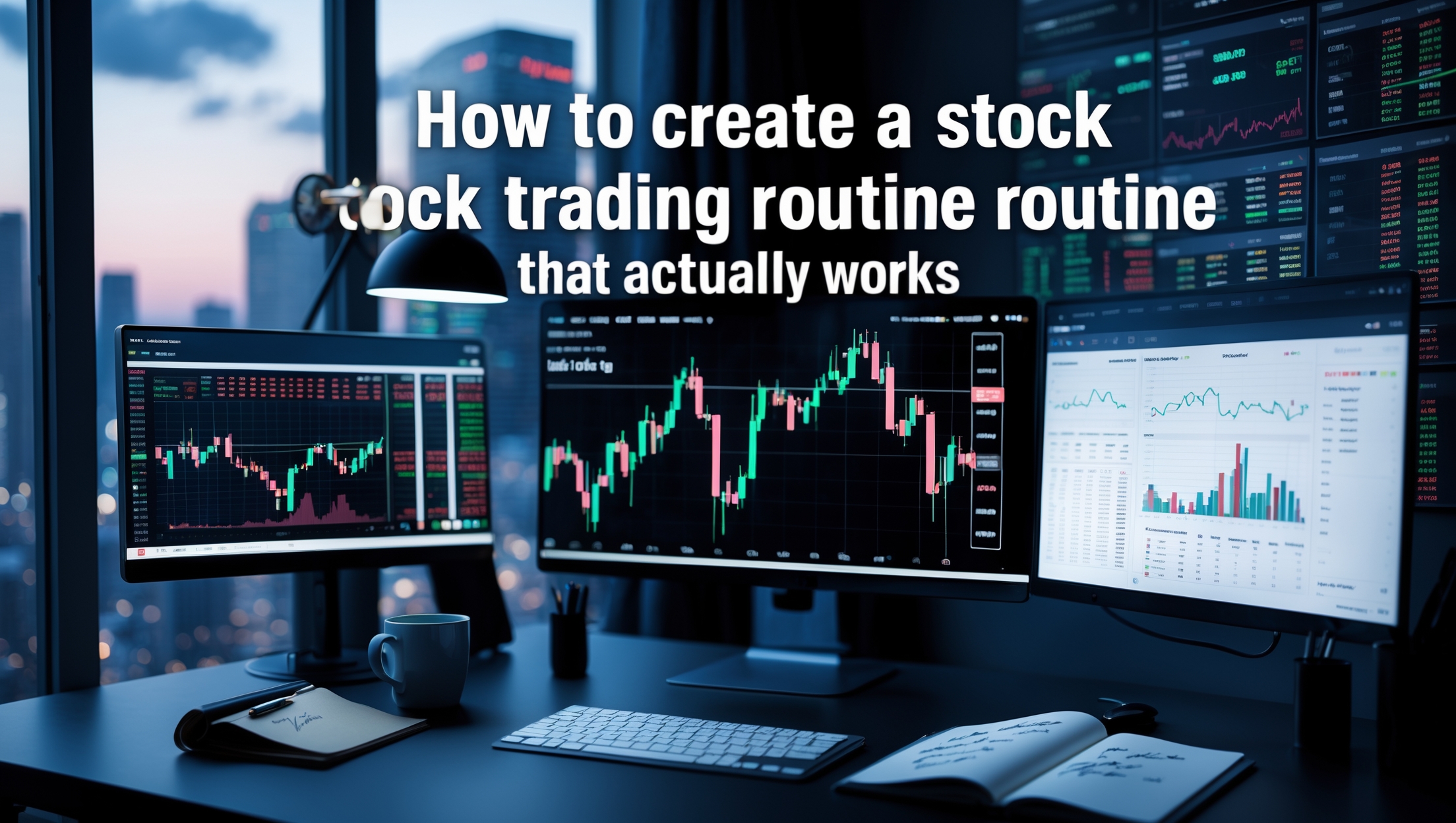
How to Create a Stock Trading Routine That Actually Works
How to Create a Stock Trading Routine That Actually Works
Learn how to create a stock trading routine that actually works 🤑 I’ll share my personal daily habits, strategies for beginners, and tools I use to stay consistent and profitable in the stock market.
Table of Contents
Why a Stock Trading Routine Matters
When I first started trading, I had no routine. I would check stocks sporadically, react to every news headline, and make impulsive trades. This approach was stressful and unprofitable.
I quickly realized that having a structured trading routine is key to success. A routine keeps you disciplined, reduces emotional decisions, and ensures you consistently track opportunities.
Even beginners can create a simple, effective routine using Robinhood for trading, Webull for research, and TradingView for chart analysis. These tools make daily trading more manageable and structured.
Step 1: Start Your Day With a Market Check
Every morning, I check:
- Pre-market movers
- News affecting my watchlist
- Earnings announcements
This quick scan takes 15–20 minutes but gives me a clear picture of where opportunities might arise. I use TradingView to visualize trends and set alerts for key stocks: TradingView Affiliate Link.
Step 2: Review Your Watchlist
I maintain a small watchlist of stocks I follow closely. Each day, I review their charts, price trends, and volume. This helps me focus on high-probability trades rather than chasing random stocks.
Robinhood is perfect for executing trades from my watchlist, even in small amounts. You can start here: Robinhood Affiliate Link.
Step 3: Plan Your Trades
Before placing any trades, I set:
- Entry price
- Target price
- Stop loss
This step prevents emotional decisions. I also review my TradingView charts to confirm patterns and trends before committing.
Webull is useful here for extra research and real-time data: Webull Affiliate Link.
Step 4: Execute With Discipline
Execution is simple once your plan is ready. Stick to your strategy, avoid chasing FOMO, and respect your stop-loss. A disciplined routine ensures you don’t overtrade or panic during volatility.
Step 5: Track and Review Your Trades
After the market closes, I review every trade in my journal:
- Why I entered
- Why I exited
- Lessons learned
This step is crucial for improving your strategy over time. Beginners benefit immensely from this reflective practice.
Step 6: Learn Daily
Even 15 minutes of learning each day can make a huge difference. I read news, watch market analysis, and review other traders’ ideas on TradingView. Continuous learning is part of my routine and keeps me ahead of the market.
Step 7: Include Breaks and Rest
A trading routine isn’t just about constant activity. I schedule breaks to avoid burnout, which helps me make better decisions when trading resumes.
How My eBook Can Help
My eBook explains how I pay my bills trading stocks and includes a full breakdown of my daily routine, strategies, and tips for beginners. It’s perfect for anyone wanting a step-by-step plan: Pay Bills With Stocks eBook.
Tips for Beginners
- Keep your watchlist small
- Focus on high-quality stocks
- Use alerts on TradingView to avoid constant monitoring
- Start small to learn without risk
Example of a Simple Trading Routine
| Time | Activity | Tool |
|---|---|---|
| 8:00 AM | Pre-market scan | TradingView |
| 8:15 AM | Review watchlist | Robinhood/Webull |
| 9:00 AM | Place trades | Robinhood/Webull |
| 12:00 PM | Check trades & news | TradingView |
| 4:00 PM | Market close review | Journal |
This routine keeps me organized, reduces stress, and helps me trade consistently and confidently.
Final Thoughts
Creating a stock trading routine is one of the most powerful ways for beginners to succeed. It builds discipline, prevents emotional decisions, and allows you to learn and grow as a trader.
Even small daily habits, consistently applied, can compound into significant long-term results. Start simple, stick to your routine, and gradually refine it as you gain experience.
Affiliate Links Recap:
- TradingView → https://www.tradingview.com/?aff_id=155687
- Robinhood → https://join.robinhood.com/audreym76
- Webull → https://a.webull.com/3DbkWRSEV8Y5EruPXV
- My eBook → https://stockflowreport.gumroad.com/l/paybillswithstocks
When I first started trading, I didn’t have any structure. I would check stocks randomly, react to news, and make impulsive trades. It wasn’t profitable, and I felt stressed.
Creating a routine changed everything. Even simple, consistent steps helped me stay disciplined and avoid emotional decisions.
I start my day by checking pre-market movers and news. This 15–20 minute habit helps me understand where opportunities might appear.
Reviewing my watchlist is next. I focus on a small number of high-quality stocks, which prevents overwhelm and helps me spot trends more easily.
Planning trades before execution is critical. I always set entry points, target prices, and stop losses. This eliminates second-guessing and overthinking.
Execution is easier when you stick to your plan. I’ve learned that following my routine prevents FOMO trades and panic selling.
After the market closes, I review my trades. I note what worked, what didn’t, and lessons learned. This step helps me refine my strategy daily.
Even 15 minutes of daily learning makes a big difference. I watch analysis videos, read news, and study charts to improve my skills over time.
I also schedule breaks. A trading routine isn’t about constant activity—it’s about staying focused and avoiding burnout, which leads to better decision-making.
I rely heavily on TradingView for chart analysis, Robinhood for executing trades, and Webull for research. This combination keeps my routine simple yet powerful.
Small trades are enough to practice. Even $50–$100 helps beginners experience real market behavior without risking too much money.
Journaling is a key habit. I record each trade, including my reasoning and outcomes. Over time, this builds confidence and reduces repeated mistakes.
Alerts on TradingView help me avoid staring at charts all day. I get notified when a stock reaches my target price, which helps me act calmly and confidently.
Combining candlestick patterns with moving averages has improved my routine. It allows me to confirm trends and make more informed decisions before placing trades.
Finally, a trading routine isn’t static. I adjust it as I learn and grow. Over time, it becomes a habit that supports long-term consistency and profitability.

Stay ahead in the stock market! Subscribe to our newsletter and receive exclusive stock flow reports, trading insights, and actionable tips directly in your inbox. Join thousands of traders who get our updates first.